
BE Journal quarterly emagazine coming soon. Meanwhile, enjoy some of these articles written by staff writers.
Edgar Allan Poe and His Struggles with Manic-Depressive Illness: A Look Through His Poetry and Life
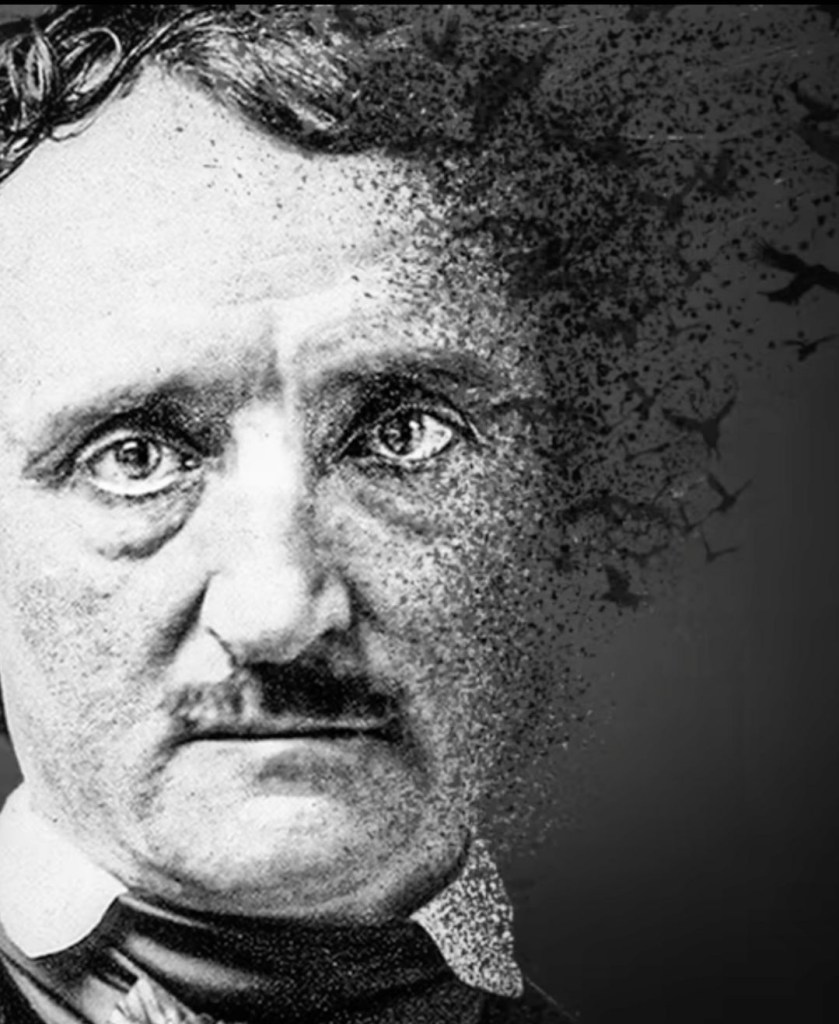
Edgar Allan Poe, one of the most inspiring figures in American literature, is often remembered for his ability to delve into the darker corners of the human mind. His haunting stories and intricate poems continue to captivate readers, inspire other famous writers, and offer profound insights into themes of loss, grief, and madness. His stories and poems link with the symbolical works of Nathaniel Hawthorne and Herman Melville. The influence of Poe’s tales may be seen in the work of later writers, including Ambrose Bierce and H.P. Lovecraft and Stephen King, who belong to a distinct tradition of horror literature initiated by Poe.
Many scholars and biographers speculate that Poe may have struggled with manic-depressive illness, known today as bipolar disorder, a condition characterized by extreme mood swings from periods of deep depression to euphoric, manic episodes. This illness, could have deeply influenced both his personal struggles and his literary works.
Poe’s life was marked by tragedy from a very early age. His father abandoned the family when Poe was an infant, and his mother died of tuberculosis when he was just three years old. He was then taken in by John and Frances Allen. Poe’s relationship with his foster father was often strained, but he was given an education. Despite the education Poe left school to be a Cadet in the army where he started writing poems like “Tamerlane and Other Poems” which went unnoticed. Then some literary success came after being discharged from the army, but he still faced a great deal of financial hardship.
His personal life was further marred by the death of his young wife, Virginia Clemm, who also suffered from tuberculosis. Virginia’s prolonged illness and death seemed to send Poe into deep despair, leading to his own physical and emotional decline. Poe’s reliance on alcohol is often cited as a factor that exacerbated his mood swings, which, in turn, may have contributed to his erratic behavior and complex emotional states.
These personal experiences of loss, grief, and isolation align with many of the themes present in Poe’s works. His struggles with mental illness, along with his profound sense of despair, seem to be reflected in the mood and tone of much of his poetry. Poe’s poems often explore the extremes of human emotion, ranging from overwhelming grief to intense longing and despair. His ability to depict such emotional extremes suggests a possible connection to manic-depressive illness, a condition that often involves dramatic shifts in mood and behavior.
One of the most famous examples of Poe’s exploration of emotional extremities is “The Raven”. In this poem, the speaker is grieving the loss of his beloved Lenore, and his emotional state swings dramatically between despair, anger, and fleeting hope. The constant repetition of the word “Nevermore,” spoken by the raven, mirrors the unrelenting nature of depression, where the sufferer is trapped in a cycle of hopelessness. The speaker’s pleading with the raven for answers and his eventual descent into madness could be seen as symbolic of the hopelessness and erratic behavior often associated with depressive episodes. At the same time, the frenetic energy of the speaker’s thoughts and his emotional volatility reflect a heightened intensity of feeling, which may correspond with the manic phase of bipolar disorder.
Another of Poe’s works, “A Dream Within a Dream,” also provides insight into the cyclical nature of depression. In this poem, the speaker grapples with the notion of impermanence and the inability to hold on to what is most precious. The recurring line, “All that we see or seem / Is but a dream within a dream,” reflects the disillusionment and emotional numbness that often accompanies depressive states. Yet, the speaker’s attempt to grasp fleeting moments of happiness and meaning in the face of inevitable loss reveals a sense of urgency and desire to transcend despair—traits that may also point to the manic phase of Poe’s illness.
In “The Sleeper,” Poe explores themes of death, loss, and the passage of time in a dream-like sequence. The poem’s mood shifts between moments of melancholy and a haunting beauty, illustrating Poe’s ability to capture the intense emotional fluctuations that are characteristic of manic-depressive illness. The dreamlike quality of the poem, coupled with its stark emotional contrasts, mirrors the way in which individuals with bipolar disorder often experience their emotional states—oscillating between moments of euphoria and profound despair.
While it is impossible to definitively diagnose Poe with manic-depressive illness, many aspects of his life seem to align with the characteristics of living with the illness. His depressive episodes are evidenced not only in his poetry but also in his personal life. For example, after Virginia Clemm’s death in 1847, Poe’s grief seems to have consumed him. Accounts from those who knew him during this time describe him as withdrawn and despondent, unable to write or even function normally. It is during such periods of deep sadness that many of Poe’s works take on their darkest tones, as seen in poems like “The Haunted Palace,” which reflects the decay of both mind and body.
Poe also exhibited signs of manic behavior, including bursts of creativity and heightened energy. During these manic episodes, he wrote prolifically, producing some of his most famous works. His short stories, such as “The Tell-Tale Heart” and “The Fall of the House of Usher,” reflect a feverish energy and obsessions that are characteristic of the manic phase of bipolar disorder. These works often portray characters who become consumed by their emotions or obsessions, mirroring the internal chaos that can accompany mania.
There are also instances in which Poe’s erratic behavior seems to align with symptoms of mania. For example, he was known to have bouts of irritability and impulsive actions, such as his sudden, unprovoked outbursts of anger or his chaotic interactions with friends and colleagues. Such unpredictable behavior is often associated with the manic phase of bipolar disorder.
Poe’s life came to a tragic end in 1849 when he was found delirious on the streets of Baltimore, in a state of confusion and disorientation. He died shortly afterward under mysterious circumstances, and the cause of his death remains unclear to this day. Some speculate that his death was a result of alcohol poisoning, while others believe he may have been suffering from the lingering effects of his mental illness, and some believe it was due to suicide. The sudden and unexplained nature of his death, combined with his history of erratic behavior, suggests that his mental and physical health had deteriorated significantly in his final years.
Edgar Allan Poe’s life and works provide compelling evidence of the struggles he may have faced with manic-depressive illness. His poetry, with its alternating moods of despair and euphoric intensity, reflects the emotional extremes that are characteristic of bipolar disorder. Whether it was the loss of loved ones, the personal demons that haunted him, or the deep isolation he often felt, Poe’s illness seems to have influenced his creative output in profound ways. His ability to capture the complexities of human emotion and the fragility of the mind has cemented his place in literary history. Despite—or perhaps because of—his tumultuous life, Poe’s works continue to resonate with readers, offering a glimpse into the inner workings of a troubled yet brilliant mind.
To listen to a great reading of The Raven, click here.
Book Article of The Psych-Ward Genius: The Struggles of a Psychotic Break -Auston M. Pratt
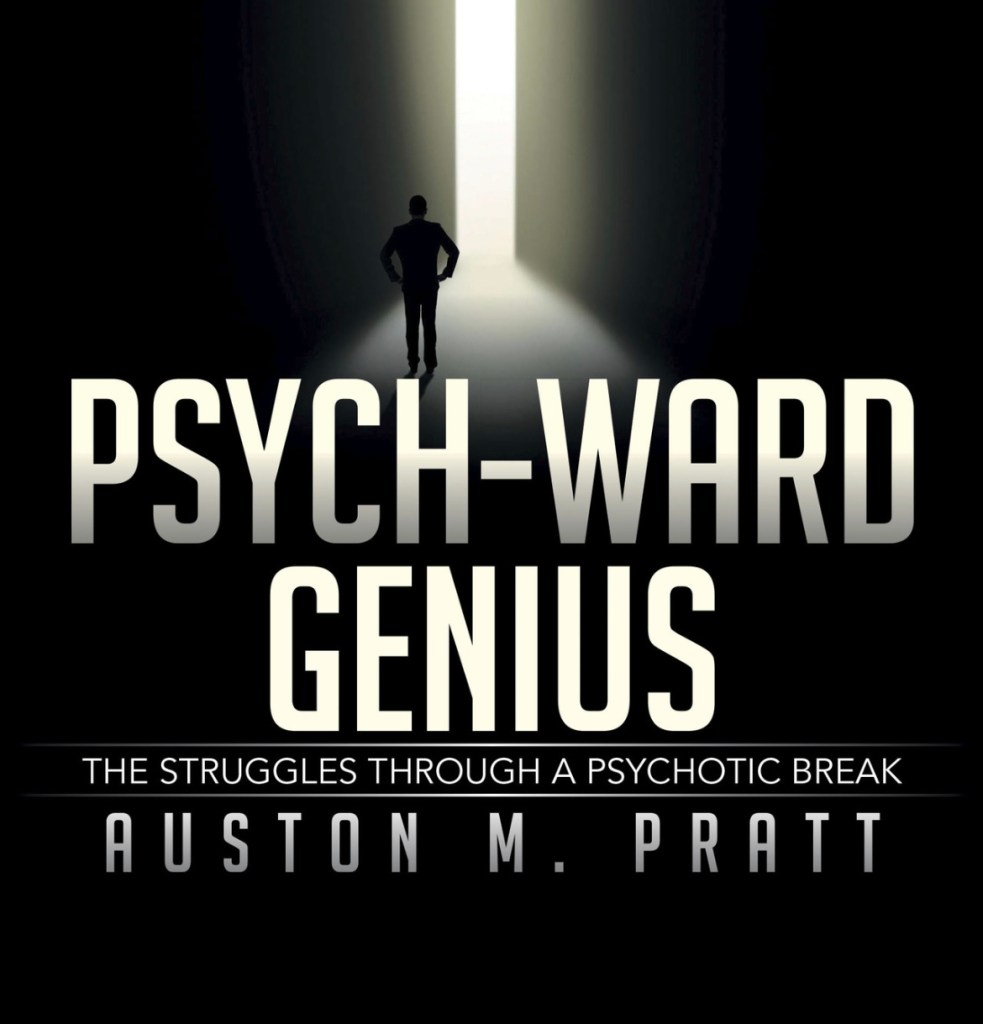
In Psych-Ward Genius: The Struggles of a Psychotic Break, author Auston M. Pratt offers a raw, candid, and compelling exploration of a teenager grappling with the overwhelming experience of a psychotic break. Through his personal insight, this book becomes an essential read for teenagers and their loved ones, offering a deeper understanding of the complex and often misunderstood nature of mental health disorders.
A Glimpse into the Mind During a Psychotic Break
The core of Psych-Ward Genius is Pratt’s personal account of living with bipolar disorder, diagnosed at a young age. He takes readers inside his tumultuous experience with a psychotic break, offering a vivid, journal-like narrative that reveals the inner workings of a mind at war with itself. The book provides an invaluable perspective on what it’s like to experience a mental health crisis at the age of 15 — an experience that is not always visible to others but can feel entirely consuming for those who live through it.
Pratt’s writing is intensely personal, with raw emotion and psychological depth that draws readers into his internal world. He takes us through the various stages of his psychotic break, from early signs of paranoia and confusion to climactic episodes of delusion and, eventually, multiple hospitalizations. The book opens with a poetic journal entry that sets the tone for the deeply emotional journey ahead. Pratt describes the terrifying realization that reality no longer feels trustworthy, and the complex mix of fear and exhilaration that accompanies detachment from the world.
A Look at the Genius of the Psychotic Mind
While Psych-Ward Genius explores the painful and often tragic aspects of living with bipolar disorder and psychosis, it also invites readers to consider the link between creativity, genius, and mental illness. Written at the age of 15, Pratt’s work suggests that moments of brilliant insight, wisdom, and artistic innovation can sometimes emerge from deeply chaotic mental states. The book subtly explores the notion that genius is not always the product of a healthy, balanced mind, but may also come from minds that venture beyond conventional reality, even at the cost of mental stability.
Hope, Recovery, and the Future
Despite the heavy themes explored in Psych-Ward Genius, the book is not without hope. Pratt chronicles his journey toward recovery, emphasizing the role of treatment, therapy, and his faith in God (his higher power) in regaining stability and reclaiming control over his life. His eventual recognition that healing is a long, nonlinear process is a crucial takeaway for anyone facing similar struggles or supporting someone on their journey.
The central message is clear: recovery is possible. Understanding mental illness — both in theory and in practice — is essential to supporting those affected by it. Pratt’s personal journey serves as a reminder that healing is not a linear process, but a journey filled with setbacks and triumphs.
Final Thoughts
Auston M. Pratt’s Psych-Ward Genius: The Struggles of a Psychotic Break is a deeply introspective and thought-provoking account of a young life touched by mental illness and bipolar disorder. Through its blend of personal narrative and reflective insights, the book serves as both a powerful memoir and an educational tool. It is an invitation to reexamine our perceptions of mental health, challenge stigma, and offer empathy to those navigating the often tumultuous journey of recovery.
For anyone seeking a deeper understanding of the realities of mental health in young adults or those searching for hope in the face of a bipolar diagnosis, this book is a compelling and essential read.
You can find Auston M. Pratt’s book on Amazon.
The Art of Talk

The Art of Talk: Exploring Life with Bipolar Disorder Through the Power of Podcasting
Podcasting is an incredible medium for exploring deep, personal stories and raising awareness about mental health. When it comes to sensitive and often misunderstood topics, such as living with bipolar disorder, the art of talk can help break down barriers, foster understanding, and create a space for empathy and connection.
One podcast that beautifully exemplifies this is Finding Freedom with Bipolar with Onalee, a powerful and candid show that takes listeners inside the experience of living with bipolar disorder. Through open, vulnerable conversations, this podcast not only educates but also celebrates resilience and personal growth. Living with bipolar disorder can feel isolating, but through the art of talk and Onalee’s stories, listeners are reminded they are not alone. The podcast goes beyond just sharing facts about the condition—it dives into the emotional and personal challenges that come with it. The empathy shared between the host and listener connect with the experience on a human level, making it not just informative but deeply compassionate.
The art of talk is about being real. In a podcast about bipolar disorder, authenticity is key to fostering trust and deepening the connection with the audience. Onalee does not shy away from difficult moments. She speaks openly about the highs and lows, the challenges of seeking treatment, and the victories that come with managing the disorder. It’s this raw honesty that sets this podcast apart—listeners feel like they’re hearing the truth, not just a polished narrative, which encourages other people with similar experiences to share their own stories.
What sets podcasts like Finding Freedom with Bipolar apart is Onalee’s ability to blend storytelling with education. Onalee lives it. Through powerful stories, she paints a picture of what it’s really like to experience the condition. This conversational style invites listeners to see through the eyes of those with bipolar disorder, promoting understanding and reducing stigma. The art of talk turns each episode into an opportunity for listeners to learn, reflect, and challenge their own assumptions.
The ultimate goal of the art of talk in podcasts like Finding Freedom with Bipolar is to build a community. Each conversation isn’t just a one-time exchange—it’s the beginning of an ongoing dialogue that invites listeners to join in. Her podcast is relatively new, but along with Onalee continuing to share her journey, Onalee is welcoming anyone to reach out to share his/her story as she’d love to incorporate intimate interviews of other’s journeys and what has helped him/her to find freedom with bipolar, or what they have learned to guide and support others. In the world of mental health, this sense of community is invaluable, and it can be found in podcasting together.
Podcasting is more than just a platform for sharing stories—it’s a powerful tool for breaking down stigma, promoting mental health awareness, and celebrating the human experience. When it comes to topics as personal and important as bipolar disorder, the art of talk creates a space for understanding, empathy, and healing. Podcasts like Finding Freedom with Bipolar remind us that through authentic, vulnerable, and compassionate conversations, we can change the way the world views mental health.
Please listen to and share Onalee’s podcast Finding Freedom with Bipolar on Spotify and follow her on Instagram @findfreedomwithbipolar. If you would like to share your story and be interviewed, please email her at findfreedomwithbipolar@gmail.com.
Edvard Munch
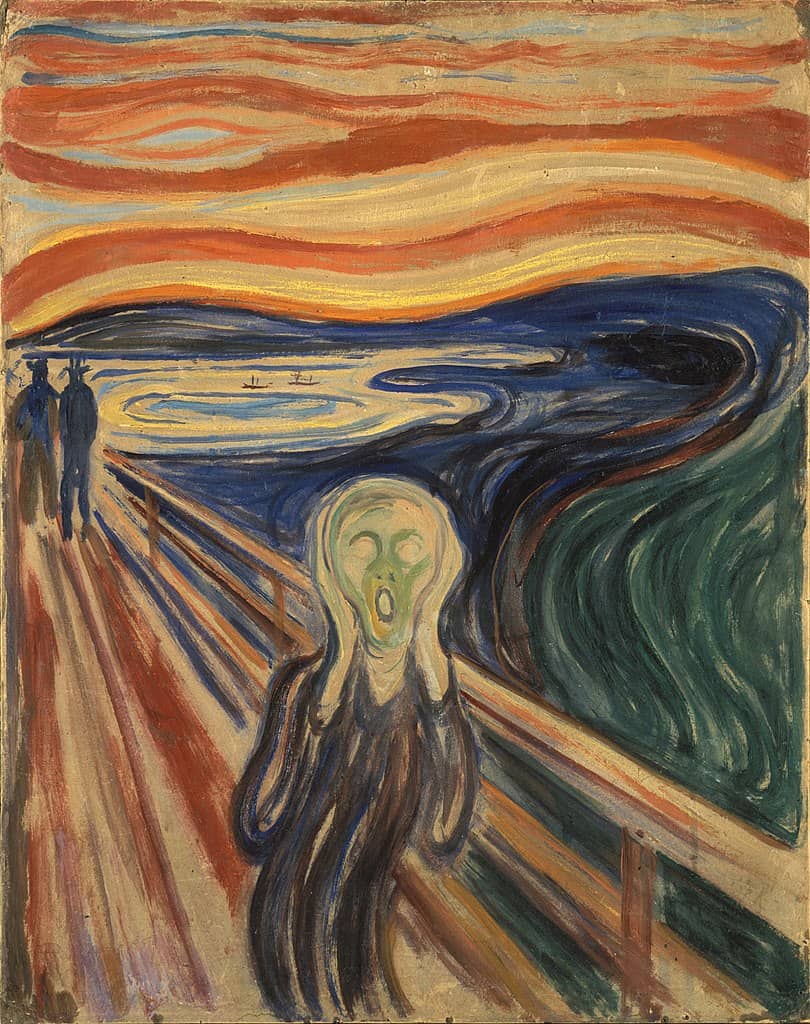
Some art represents visual diaries that give us a glimpse into the mind and life circumstances of the artist. This was the case with Edvard Munch who was diagnosed with bipolar disorder and anxiety among other mental illnesses during his life and following reviews of his diary after death. In his diary, he recorded experiences of hallucinations and depression that influenced most of his early works. In his own words, Munch admits:
“For as long as I can remember I have suffered from a deep feeling of anxiety, which I have tried to express in my art. Without anxiety and illness, I should have been like a ship without a rudder.
In his work The Scream, Munch was inspired by a hallucination he had while taking a walk. During that time, he had recently moved to Germany and was suffering financially after not getting appreciation for his work in Norway. He recorded in his diary the following:
“I was walking down the road with two friends when the sun set; suddenly, the sky turned as red as blood. I stopped and leaned against the fence, feeling unspeakably tired. Tongues of fire and blood stretched over the bluish-black fjord. My friends went on walking, while I lagged behind, shivering with fear. Then I heard the enormous, infinite screams of nature”
He obsessed over what he saw in a series of sketches before he transformed his experience into the famous piece of art we know. You can see the anxiety and fear coming through the painting in the figure’s face and the use of bold red strokes as well as the depressive melancholy feel of the lonely figure on the bridge.
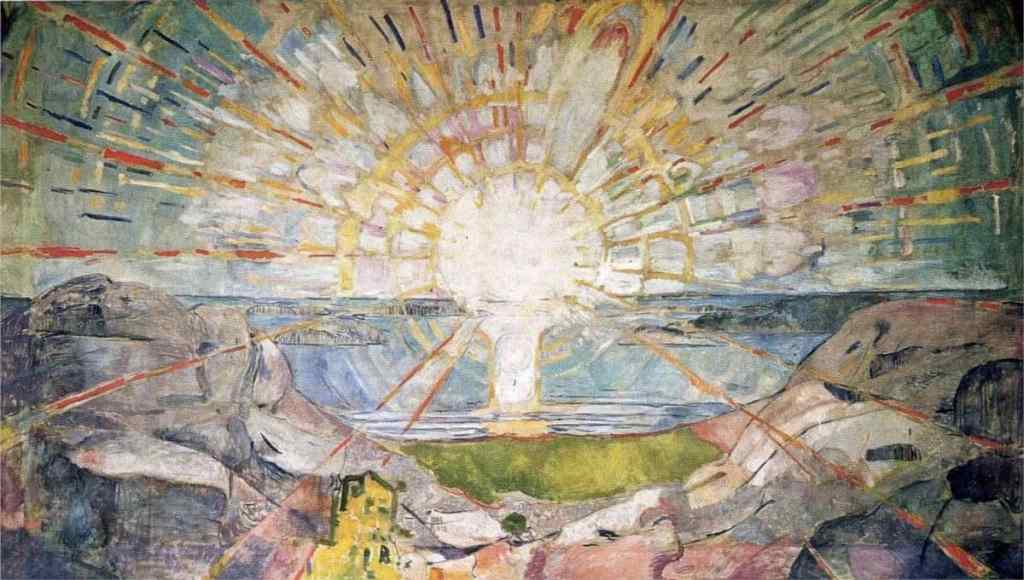
Although Munch’s mental health deteriorated over the years, he eventually admitted himself to Kornhaug Sanatorium in 1908 where he underwent treatment. After he left, his artwork became brighter and more optimistic. For example, the painting The Sun shows bright rays of sunlight stretching to every corner of the canvas over an ocean and cliffside scene. The painting is bold and lighthearted showing a peaceful scenery basking in colorful light and reflecting his mental state at the time.
These two works of art by Edvard Munch show a contrast in his mental state and portray how art can be a window into the mind.
More information about Edvard Munch’s life and artworks related to mental illness can be found at Cambridge.org and Psychiatryonline.org.
 BE
BE 